
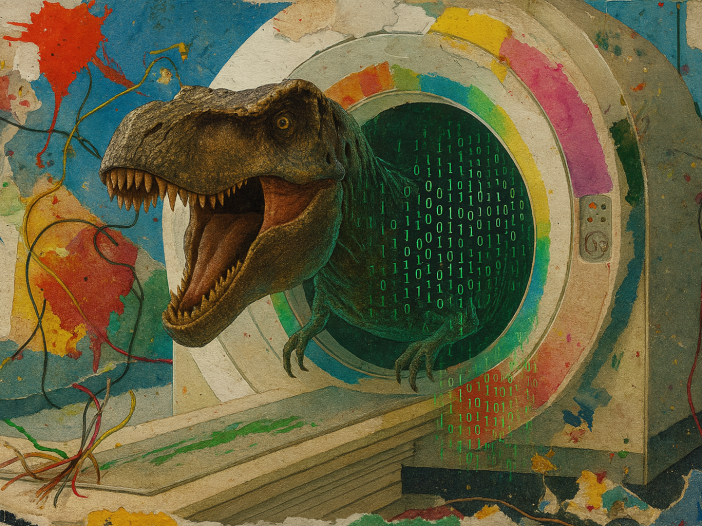
For over a century, paleontology has evoked images of dusty deserts, pickaxes, and bone-white fossils pried from ancient rock. But a quieter, equally thrilling revolution is taking place in the digital realm. In labs and museums around the world, scientists are uncovering new species and rewriting evolutionary history, not by digging into the Earth, but by digging into data. It’s called digital fossil mining, and it’s changing everything.
What is Digital Mining?
Digital mining is the process of using modern technology, like CT scanning, 3D modeling, and artificial intelligence, to study fossils that have already been collected. Instead of traveling to remote dig sites, paleontologists now examine digital scans, museum archives, and fossil databases to uncover details that were overlooked or misunderstood in the past.
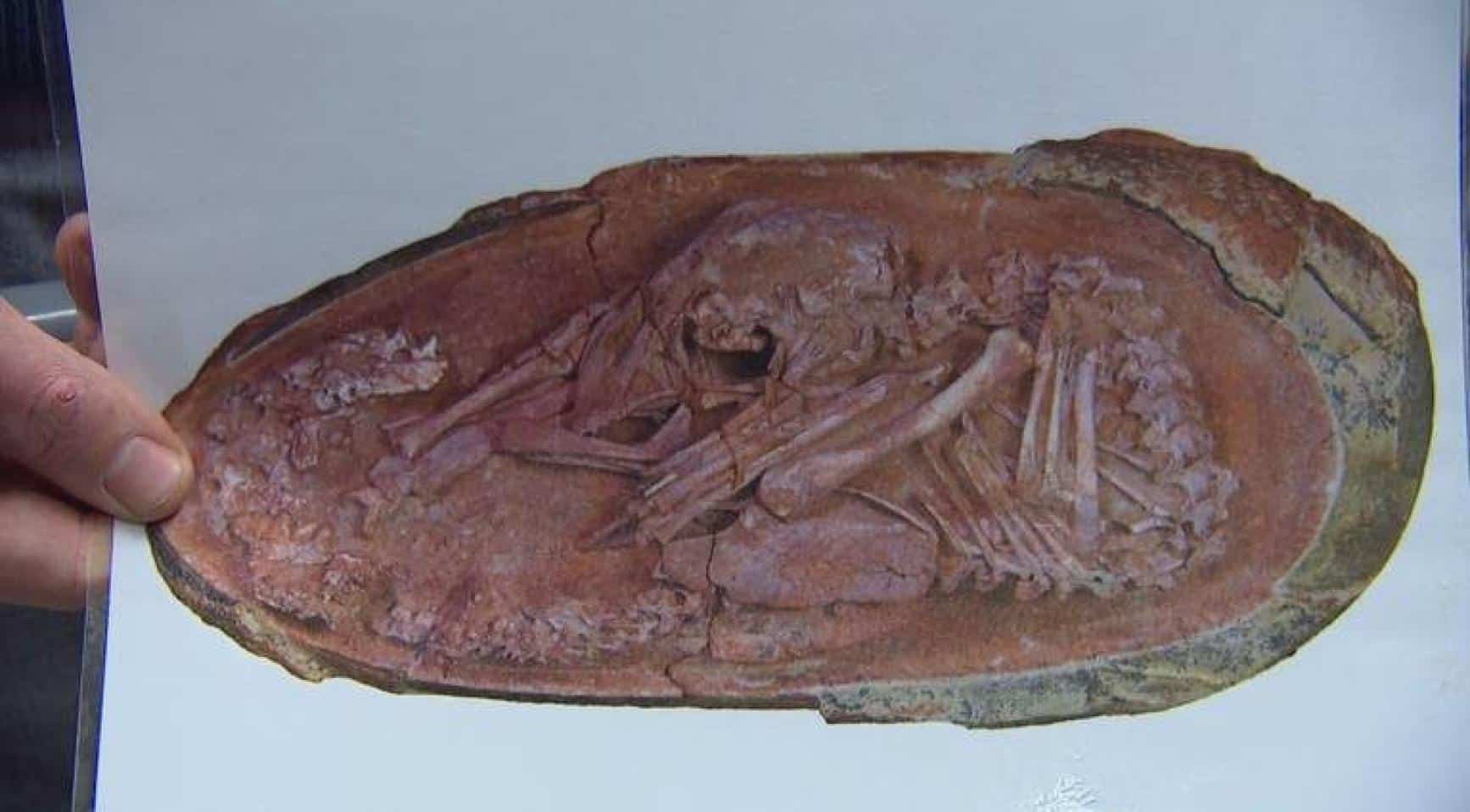
The work often begins with CT scanning, which creates highly detailed internal images of a fossil, much like a medical scan. This allows scientists to see inside rock-encased or fragile fossils without damaging them. In one striking example, CT scanning revealed a fully formed embryonic dinosaur curled inside a fossilized egg, completely invisible from the outside.
These scans are then converted into 3D models, which researchers can rotate, measure, or digitally dissect. This lets scientists around the world collaborate on the same specimen without shipping the fossil or risking damage. Even photogrammetry, a technique that stitches together 2D photos to make 3D models, has become a valuable tool for digitizing large fossils at low cost.
Once the model is created, artificial intelligence enters the picture. Machine learning algorithms can analyze thousands of fossil images and measurements, searching for patterns a human might miss. These tools have uncovered links between isolated finds on different continents, suggesting long-lost migration routes and evolutionary relationships. In some cases, AI has even helped correct decades-old classification errors.
What makes this process so powerful is its ability to breathe new life into fossils that have been in storage for years. These specimens may have sat untouched in drawers, cabinets, or basements for generations. Now, they have a second chance to tell their stories, without anyone picking up a shovel.
Discoveries Hiding in Plain Sight
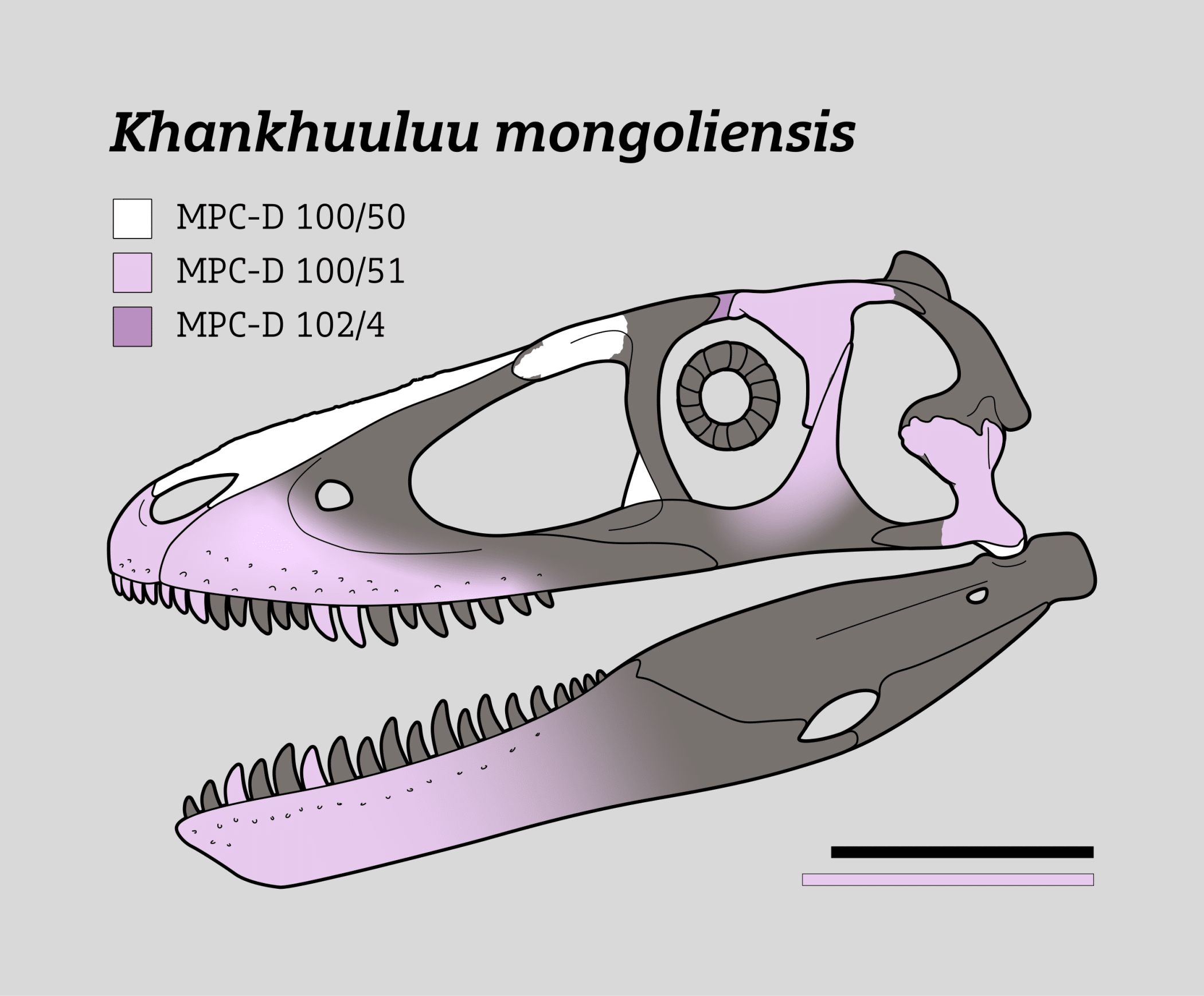
One of the most exciting examples of digital mining at work is the discovery of Khankhuuluu mongoliensis, a slender, early tyrannosaur that lived roughly 20 million years before T. rex. The fossil, originally dug up in the 1970s, sat misclassified in a museum collection for decades. Thanks to high-resolution digital tools, paleontologists re-examined its structure in 3D and identified distinctive traits in the skull and jaw. A forgotten specimen became a crucial piece in the tyrannosaur family tree.
And it’s not just dinosaurs. Digital mining has helped identify:
- Giant Paleocene marsupials in Texas that challenge previous ideas about mammal size after the dinosaur extinction
- Parasitic fungi trapped in amber, offering a glimpse into ancient host–parasite relationships
- Tiny squid beaks that pushed back the timeline of modern cephalopod evolution by tens of millions of years
Each find shows how much we still have to learn, not from new digs, but from rethinking what’s already been found.
The Tools Behind the Tech
Digital fossil mining depends on a blend of high-tech tools, many borrowed from other fields:
- CT Scans and Micro-CT Imaging: Reveal internal fossil structures in precise detail
- 3D Modeling: Allows for virtual manipulation, measurement, and even digital reconstruction of missing parts
- Machine Learning: Detects patterns, flags inconsistencies, and suggests relationships across vast fossil datasets
- Photogrammetry: Turns ordinary photographs into usable 3D models for public or scientific analysis
- Museum Digitization Projects: Bring entire collections online, often for the first time
Together, these tools open the door to discoveries that would have taken years, or been impossible, with traditional methods. Today, even a graduate student with a laptop might uncover a new species from publicly available fossil data.
Why It Matters
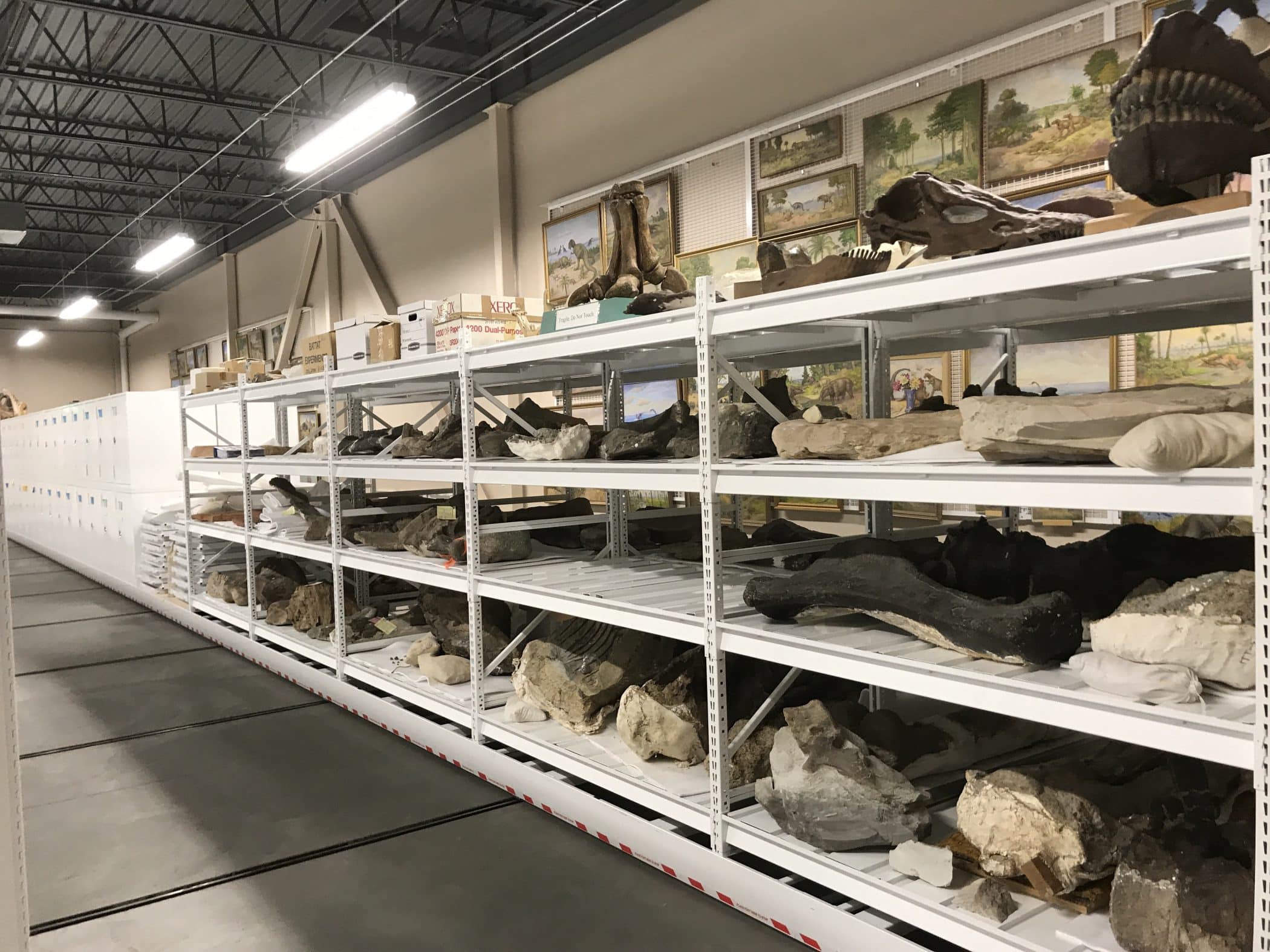
Most museum fossils have never been fully studied. In some collections, fewer than 10% of specimens have detailed research attached. Digital mining unlocks that treasure trove, allowing scientists to:
- Identify new species without new excavations
- Reclassify old mistakes using better models
- Link scattered fragments to broader evolutionary stories
- Democratize access, scientists in any country can study global collections virtually
It’s like giving paleontology a second chance to notice what it missed the first time.
The Limits of Data
Digital mining isn’t magic. The tech still depends on human interpretation, and bad data in means bad results out. AI models must be trained on accurate information, and many fossils still need physical examination to confirm new ideas. But as the tools improve and the datasets grow, the potential expands.
The Future of Fossil Hunting
Soon, we might see entire prehistoric ecosystems reconstructed from digital data. Fossil sites could be explored virtually in VR. A new species might be discovered by a teenager analyzing public fossil scans from home.
Digital mining doesn’t replace traditional paleontology, it enhances it. It’s the microscope to the field paleontologist’s shovel. And together, they’re digging up the past in ways our ancestors never imagined.
